Recent Trends in Educational Technology

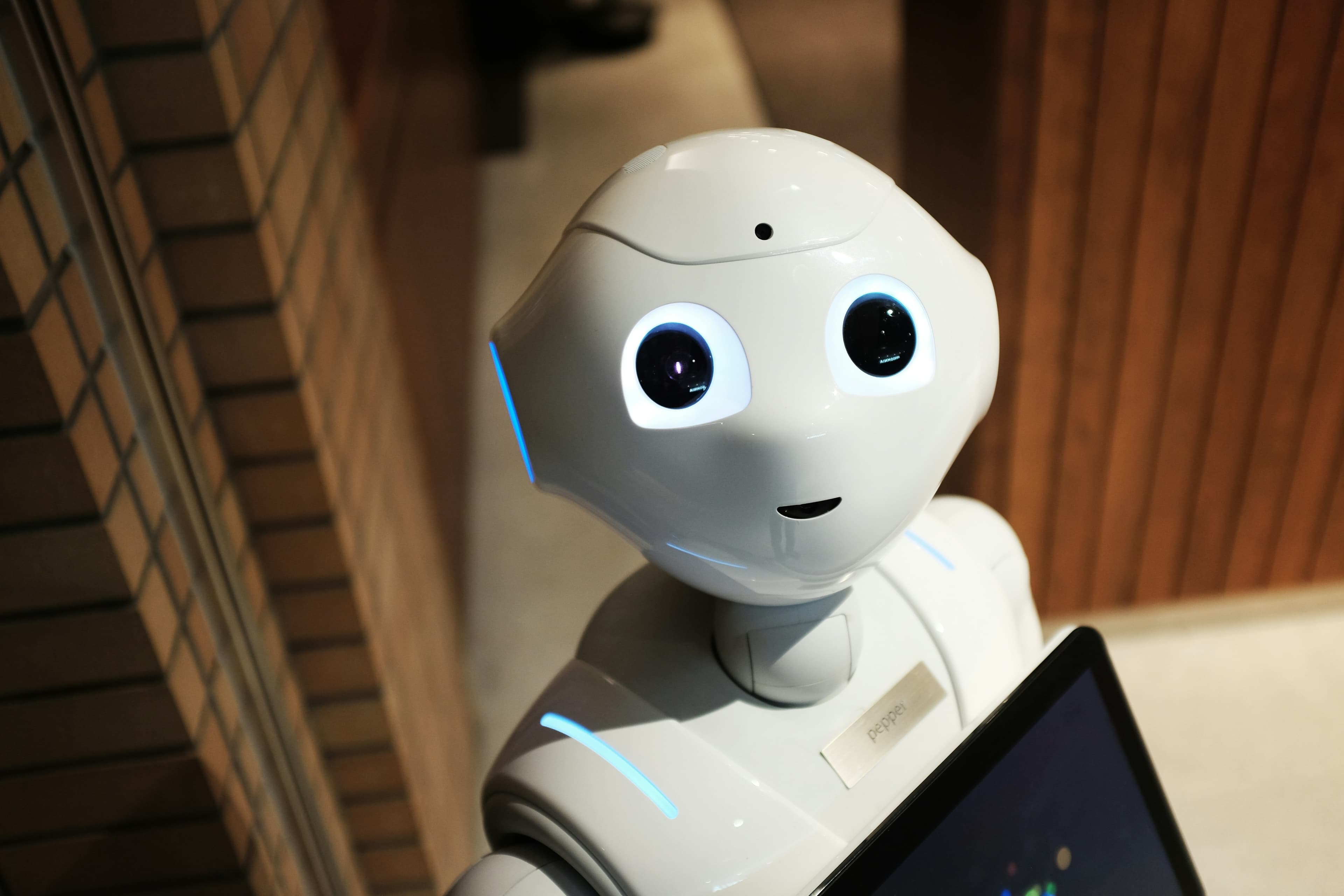
A good education is a foundation for a better future!
In recent years, there has been a significant shift in the learning paradigm. The educational methods employed today differ greatly from those of previous decades, largely due to advancements in technology. These technological innovations have revolutionized the delivery and reception of education.
Educational technology, or EdTech, undergoes constant evolution and rapid change. Each year sees the emergence of numerous innovative tools and applications aimed at enhancing and streamlining both teaching and learning processes.
1. Collaborative Learning: This involves students working together in groups to solve problems, complete projects, or discuss concepts. It fosters critical thinking, communication skills, and teamwork. With the help of technology, collaborative learning can now occur both in physical classrooms and online platforms, enabling students to collaborate regardless of their location.
2. Remote Learning: It allows students to access educational resources and participate in lessons from anywhere with an internet connection. It has become increasingly prevalent, especially in situations where physical attendance is not possible or convenient. Technology plays a crucial role in remote learning, providing tools such as video conferencing, online learning platforms, and digital collaboration tools to facilitate effective teaching and learning experiences.
3. Extended Reality Learning: XR learning integrates VR, AR, and MR technologies to offer students interactive experiences beyond traditional classrooms. It enables activities like exploring virtual environments and manipulating digital objects, enhancing comprehension of complex concepts. For example, medical students can simulate surgeries, history students can visit virtual museums, and engineering students can prototype in virtual labs. This modern approach revolutionizes education, providing dynamic and engaging learning opportunities.
I. Virtual reality (VR) is a computer-generated simulation of an environment that immerses users in a three-dimensional, interactive experience. It typically requires specialized equipment such as headsets and gloves to create the illusion of reality.
II. Augmented reality (AR), on the other hand, blends the real world with digital elements, enhancing the user's perception of reality. Unlike VR, AR does not necessitate specialized equipment and can be accessed through applications on devices like smartphones or tablets. This allows students to interact with augmented content overlaid onto their physical surroundings using their mobile devices.
4. Homeschooling: In today's landscape, a multitude of innovative K-12 homeschooling startups have emerged, providing adaptable learning programs catering to diverse needs, spanning from supplementary to full-time schooling. These platforms typically offer customizable curricula, a broad array of subjects, extensive educational resources, and advanced technical functionalities, all geared towards enhancing the efficiency and engagement of online learning experiences.
8. Microlearning: Microlearning refers to the practice of delivering short, focused learning units or modules that are typically no longer than a few minutes in duration. This approach aims to provide learners with quick, targeted bursts of information or training on specific topics or skills.
9. Google for everything: In today's educational landscape, Google has become an indispensable tool for students, offering a suite of applications tailored to support learning routines and facilitate academic pursuits.
I. Google Docs, Forms, Sheets, and Gmail serve as essential tools for organizing coursework, preparing assignments, and facilitating communication between students and educators.
II. Google Scholar provides access to a vast repository of academic papers and journal articles from reputable sources, aiding students in conducting research and accessing scholarly literature.
IV. Google Translate enables students to overcome language barriers by offering quick and accurate translations of foreign language texts, enhancing their comprehension and accessibility of diverse educational materials.
Embracing technology in education is not just about keeping pace with the times; it's about harnessing its potential to create more inclusive, engaging, and effective learning environments for all students.
Virim Engineering Team
Solutions & Systems Architecture
Contributing engineering insights, cloud architectural patterns, and practical software delivery lessons from Virim Infotech.
Related Articles
Continue exploring technical insights and company perspectives

Growth of career in technology
With technology we can achieve the unimaginable!

Growth and future of Voice Technology
Hey Alexa, Good morning! How's the weather today?

Impact of Climate Change on Future Generations
All we have to do is wake up and change!
Build Your Next Product with Virim Infotech
Partner with an agile engineering team committed to technical excellence, rigorous quality assurance, and transparent delivery.


