Impact of Climate Change on Future Generations

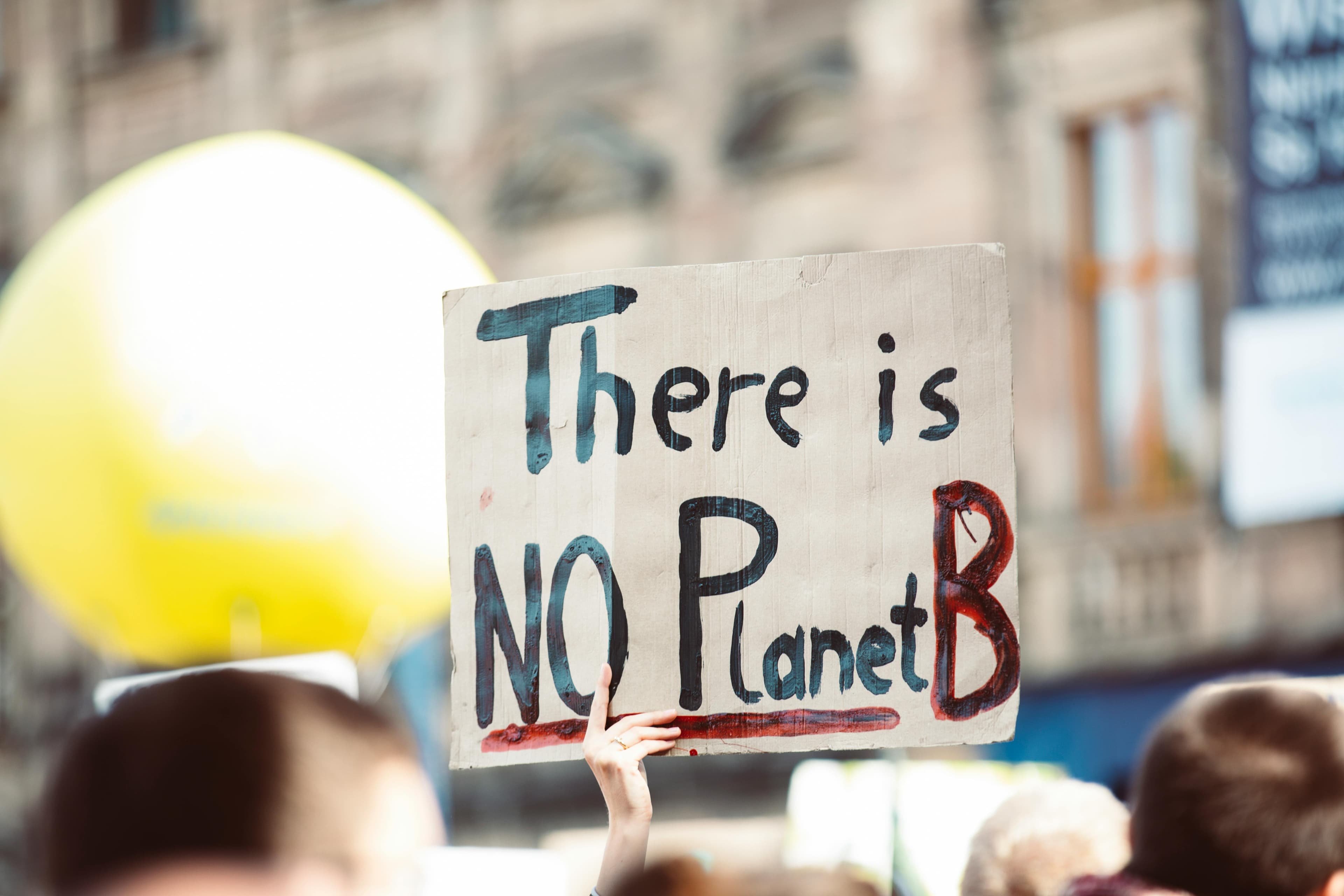
All we have to do is wake up and change!
Climate change refers to alterations in the Earth's climate patterns primarily caused by human activities that modify the composition of the atmosphere. These activities, such as the emission of greenhouse gasses, lead to phenomena like global warming, resulting in the melting of polar ice caps, rising sea levels, and more frequent extreme weather events. The severity of these consequences has prompted various institutions and companies to take measures to mitigate climate change.
The responsibility for climate change lies predominantly with human beings. Human activities have produced greenhouse gasses that contribute to the warming of the Earth's atmosphere.
In reality, no. Climate change has become unavoidable. The Earth's temperature has already risen by 1.1°C compared to pre-industrial levels, leading to irreversible changes. Our focus must now shift to implementing strategies that can mitigate further global warming.
Climate change is already exerting profound impacts on our planet, manifesting in rising temperatures and unprecedented shifts in precipitation patterns. Pollution stands as the primary culprit behind these catastrophic effects on Earth.
The climate crisis magnifies existing inequalities, poverty, displacement, and may escalate the likelihood of conflicts. According to statistics and reports:
1. Alarmingly, 90% of diseases stemming from the climate crisis are expected to affect children under the age of five.
2. By 2050, an additional 24 million children are forecasted to suffer from malnutrition due to the climate crisis, while by 2040, it is estimated that one in four children will reside in regions facing extreme water shortages.
3. Nearly 160 million children are currently exposed to increasingly severe and prolonged droughts, with around 38 million experiencing disruptions in their education annually as a result of the climate crisis.
4. Furthermore, families are being compelled to migrate due to environmental pressures, with projections suggesting a potential increase of 143 million climate migrants by 2050.
1. Eco-Friendly Commuting: Many individuals rely on driving to work daily, contributing to greenhouse gas emissions. However, there are alternative, eco-friendly commuting options available. Public transportation and biking are both excellent choices that reduce emissions and promote physical activity.
2. Conserve Energy: Improving energy efficiency is vital in reducing pollution and greenhouse gas emissions. Conserving energy at home by turning off lights and unplugging unused devices, as well as switching to energy-efficient light bulbs, can significantly decrease energy consumption and environmental impact.
3. Political Pressure: Select an environmental concern that resonates with you, outline a clear proposal for action, and endeavor to schedule a discussion with your nearby representative. While it may appear daunting, your perspective merits attention. To effectively address the climate crisis, policymakers must actively engage in solutions. It is our responsibility to sustain the momentum and advocate for change.
4. Adopt vegetarianism: Increase your consumption of plant-based meals – it benefits both your health and the environment. Currently, approximately 60 percent of the world's agricultural land is dedicated to livestock grazing, and many nations exceed healthy levels of animal-sourced food consumption. Adopting plant-rich diets can aid in the prevention of chronic illnesses like heart disease, stroke, diabetes, and cancer.
5. Embrace Sustainable Agriculture: Sustainable agriculture reduces energy consumption by up to 56%, lowers emissions by 64%, and promotes higher levels of biodiversity compared to conventional farming methods. Taking it a step further, consider cultivating your own fruits, vegetables, and herbs. Whether in a garden, on a balcony, or even a windowsill, growing your own produce can be a rewarding and eco-friendly endeavor.
6. Reduce-Reuse-Recycle: The three R's of environmental conservation—reduce, reuse, and recycle—serve as guiding principles for sustainable living. By minimizing consumption, finding new purposes for items, and ensuring materials are repurposed, we can significantly decrease our ecological footprint and contribute to a healthier planet.
7. Spread Awareness: Understanding the vital significance of educating oneself and others about climate change is essential in today's world. With various platforms at our disposal, such as interpersonal communication and social media, there are abundant chances to raise awareness about its impact on our planet. By sharing information about the dangers of climate change and promoting actionable solutions, you can actively contribute to environmental preservation. Educational awareness programs implemented in schools, colleges, and workplaces can effectively spread knowledge about climate change and its impact on society, fostering widespread awareness.
8. Plant more trees: Each year, roughly 12 million hectares of forest vanish, contributing significantly to global greenhouse gas emissions alongside agricultural and land use alterations. We can all contribute to reversing this detrimental trend by planting trees, whether individually or collectively. Initiatives like Plant-for-the-Planet offer opportunities for people to sponsor tree-planting efforts worldwide.
9. Sustainable fashion: The fashion industry generates 8-10% of global carbon emissions, exceeding those from international flights and maritime shipping combined. Fast fashion promotes a disposable culture, resulting in excessive clothing waste in landfills. To combat this, buy fewer new clothes and prolong their use. Embrace sustainable brands and utilize rental services for occasional wear. Also, recycle and repair pre-owned garments as needed.
Without decisive action, our future generations will inherit a world marked by environmental instability, resource scarcity, and social inequity. It is the collective responsibility of the current generation to take bold steps towards sustainable development, ensuring a healthier, more equitable planet for all.
Quality & Delivery Guild
QA & Agile Excellence
Contributing engineering insights, cloud architectural patterns, and practical software delivery lessons from Virim Infotech.
Related Articles
Continue exploring technical insights and company perspectives

Growth of career in technology
With technology we can achieve the unimaginable!

Growth and future of Voice Technology
Hey Alexa, Good morning! How's the weather today?

Recent Trends in Educational Technology
A good education is a foundation for a better future!
Build Your Next Product with Virim Infotech
Partner with an agile engineering team committed to technical excellence, rigorous quality assurance, and transparent delivery.


