Role of Information Technology in Healthcare

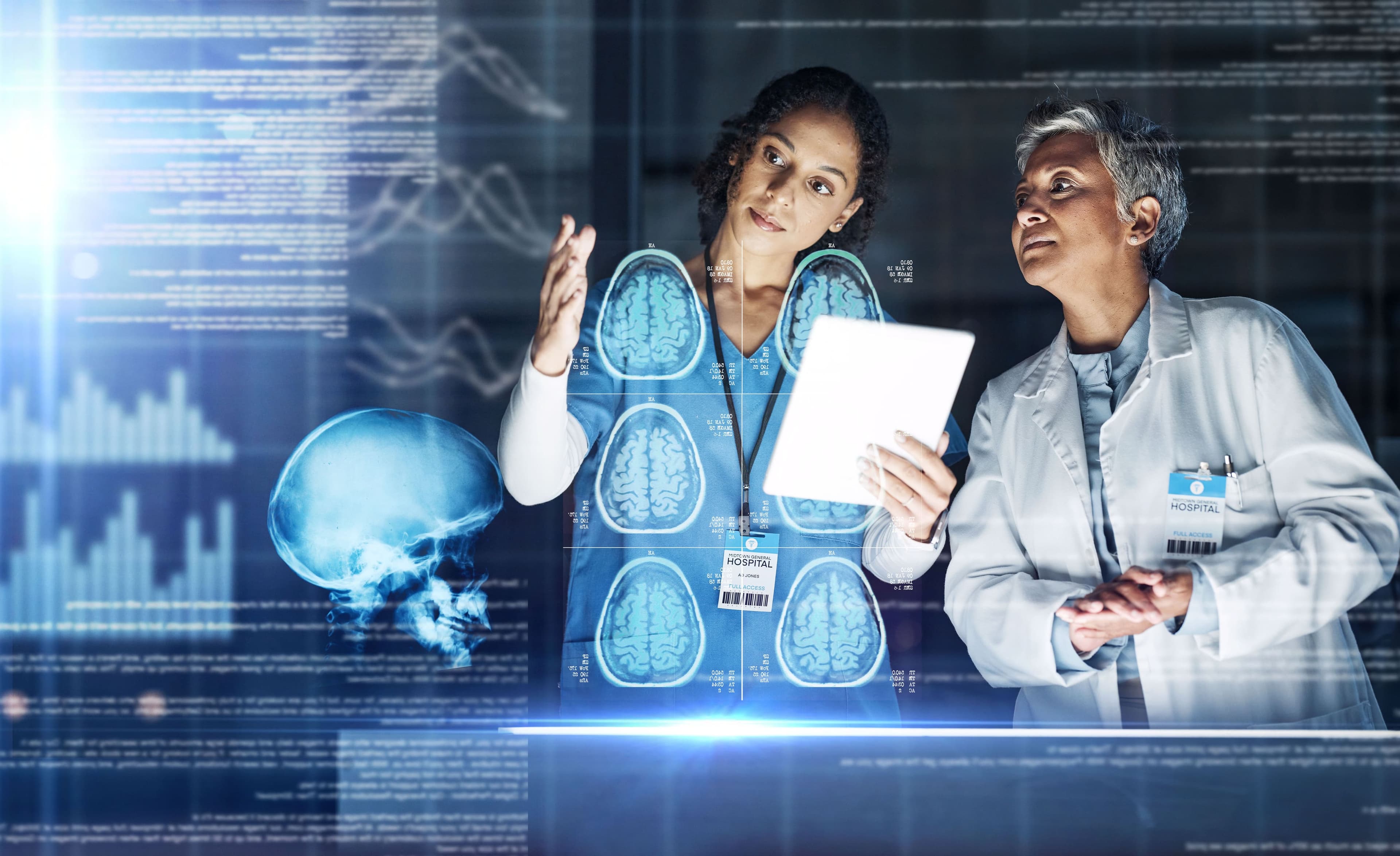
Information technology is a boon to healthcare!
Information Technology plays a pivotal role in healthcare, spanning various applications from electronic health records (EHRs) to telemedicine services and healthcare app solutions. Beyond merely transitioning from paper records to digital formats or streamlining appointment processes, IT solutions fundamentally transform patient care and operational efficiency in the healthcare sector.
In the healthcare industry, where timely decisions can be life-changing and every moment counts, Information Technology delivers the precision, speed, and efficiency required to meet critical needs.
Information technology in healthcare encompasses various software systems utilized by healthcare professionals, care providers, and patients to streamline and improve healthcare delivery.
1. Electronic Health Record System: It is a digital version of a patient's paper chart, containing information about their medical history, diagnoses, medications, treatment plans, immunization dates, allergies, radiology images, laboratory test results, and other relevant clinical data. EHRs aim to improve the quality, safety, and efficiency of healthcare delivery by enabling healthcare professionals to access comprehensive and up-to-date patient information at the point of care.
2. Picture Archiving and Communication Systems (PACS): These are specialized healthcare IT systems designed for the storage, retrieval, distribution, and presentation of medical images. PACS is used primarily in radiology departments and other medical imaging facilities to manage and interpret diagnostic imaging studies such as X-rays, MRIs (magnetic resonance imaging), CT scans (computed tomography), ultrasounds, and nuclear medicine images.
3. Laboratory Information Management Systems (LIMS): These are software platforms designed to streamline and automate laboratory operations and data management. LIMS are widely used in various laboratory settings, including clinical, research, pharmaceutical, environmental, and industrial laboratories. LIMS streamline laboratory operations, enhance productivity, and contribute to the delivery of high-quality laboratory services.
4. Telemedicine platforms: These are technology solutions that enable remote healthcare delivery, allowing patients to consult with healthcare providers virtually through video conferencing, secure messaging, and other communication tools. These platforms facilitate medical consultations, diagnoses, treatment planning, and follow-up care without the need for in-person visits, making healthcare more accessible and convenient for patients.
5. Practice Management Systems (PMS): These are software solutions designed to streamline administrative and financial tasks within healthcare practices, including medical offices, clinics, and hospitals. PMS software automates various functions such as appointment scheduling, patient registration, billing, insurance claims processing, and revenue cycle management. These systems help healthcare providers optimize practice workflows, enhance efficiency, reduce administrative burdens, and improve patient experience.
6. Electronic Prescribing (e-prescribing) Systems: These are software solutions that enable healthcare providers to generate and transmit prescriptions electronically to pharmacies. These systems streamline the prescription process by eliminating the need for paper prescriptions, reducing errors, and enhancing patient safety.
7. Medical billing software: This software helps healthcare providers generate accurate billing statements, verify insurance eligibility, submit claims electronically to insurance payers, track claim statuses, and manage reimbursement processes. Medical billing software aims to improve billing efficiency, reduce errors, accelerate revenue cycle management, and optimize financial performance for healthcare organizations.
2. Personalized Patient Care
3. Improved Communication between Providers and Patients
4. Enhanced Medication Management
5. Convenient Access to Medical Records
1. High Implementation Costs
2. Resistance to Change Among Staff
3. Data Security and Privacy Concerns
4. Interoperability Issues
6. Data Quality and Integrity
7. Outdated technology in healthcare
In conclusion, while IT brings promising advancements to healthcare, addressing its challenges is crucial to ensure equitable access, data security, and seamless integration, ultimately improving patient care and outcomes.
Virim Engineering Team
Solutions & Systems Architecture
Contributing engineering insights, cloud architectural patterns, and practical software delivery lessons from Virim Infotech.
Related Articles
Continue exploring technical insights and company perspectives

Healthcare Claim processing Workflow
The US healthcare system is a complex network of healthcare providers, insurance companies, government agencies, and other organizations that work together to deliver medical care and services to individuals across the country.

Managing multi-location teams
Success is best when it's shared!

Techie Parenting: Tips for Balancing Technology and Parenthood
There are no perfect parents!
Build Your Next Product with Virim Infotech
Partner with an agile engineering team committed to technical excellence, rigorous quality assurance, and transparent delivery.


